Accounting That Understands the Economics of Agriculture
Agricultural accounting is shaped by seasonality, production cycles, equipment, land, financing, crop or livestock activity, and major swings in cash flow. A farm can spend heavily for months before the related crop, herd, or production cycle generates revenue.
When the accounting is structured correctly, the books can do more than support a tax return. They can help an owner understand enterprise profitability, equipment cost, debt, input spending, seasonal cash needs, owner activity, and taxable income before year-end.
What Makes Agriculture Accounting Different?
Seasonal Revenue & Cash Flow
Income and expenses can be concentrated in very different parts of the year. Seed, feed, fertilizer, chemicals, labor, fuel, repairs, and equipment payments may occur well before harvest, livestock sales, or other receipts. Useful books should make seasonal working-capital needs visible instead of treating every month as economically similar.
Crops, Livestock & Production Costs
Crop production, breeding stock, purchased livestock, feed, veterinary costs, and other production inputs can require different tracking depending on the operation and the accounting and tax methods being used. The accounting system should distinguish operating costs from inventory, capital assets, and other balance-sheet items where appropriate.
Prepaid Inputs & Expense Timing
Seed, feed, fertilizer, chemicals, crop protection, and other inputs are often purchased ahead of the period in which they are used. The accounting and tax treatment can depend on timing, business purpose, method of accounting, and applicable tax rules, so large prepayments should not be handled mechanically.
Equipment, Vehicles & Depreciation
Tractors, trucks, trailers, implements, irrigation equipment, barns, and other major assets can materially affect cash flow and taxable income. Purchases should be separated from routine repairs and tracked through fixed-asset and debt schedules so depreciation, gain or loss, and financing remain supportable.
Land, Buildings & Improvements
Land itself is economically different from depreciable buildings, fencing, drainage, irrigation, roads, and other improvements. Purchase allocations and capital projects should preserve those distinctions because they affect the balance sheet, depreciation, basis, financing, and eventual disposition.
Other Farm Receipts & Risk Payments
Agricultural businesses may receive crop-insurance proceeds, program payments, patronage-related amounts, custom-hire income, rents, or other receipts in addition to ordinary crop or livestock sales. Separating those streams improves tax reporting, cash-flow analysis, and management understanding of what is driving results.
Production Costs, Asset Treatment & Taxable Income
Two transactions that both reduce cash may have very different accounting and tax consequences. Depending on the facts and the methods used, a cost may be a current expense, a prepaid input, inventory or production cost, or part of a depreciable asset. Getting that distinction wrong can distort the balance sheet, farm profit, taxable income, and enterprise profitability.
CPA perspective: This is where bookkeeping classification becomes an accounting-method, capitalization, depreciation, and tax-timing decision.
How KDW Helps Agriculture Businesses
Clean books create the foundation for reliable tax reporting, equipment and debt tracking, seasonal cash-flow planning, and meaningful enterprise profitability. KDW can help structure the accounting so crop or livestock revenue, input costs, payroll, fixed assets, financing, owner activity, and tax planning work together instead of being managed in disconnected records.
Know what each crop, herd, or enterprise is really contributing.
Gross receipts tell only part of the story. Seed, feed, labor, fuel, repairs, machinery, land costs, financing, insurance, overhead, and timing all affect what the operation actually earns. The accounting should connect those costs to the production activities they support.
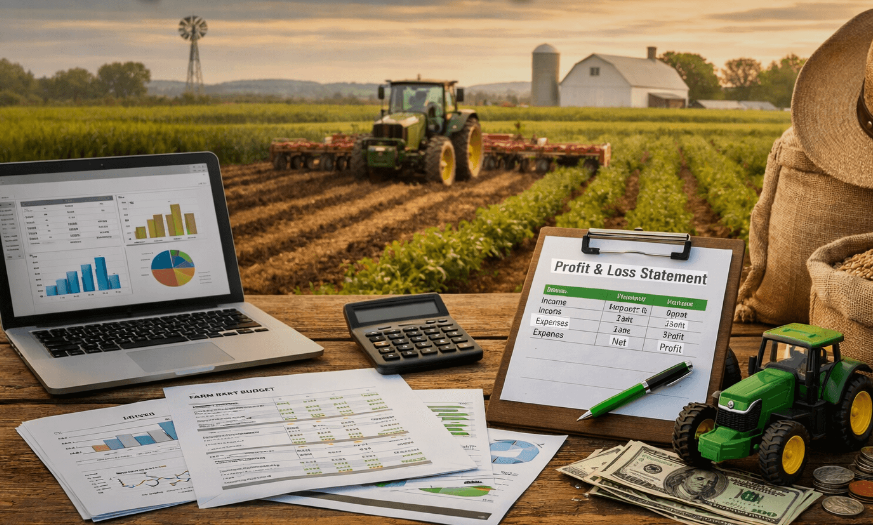
Know Which Enterprises Actually Create Value
A strong year for revenue does not automatically mean every crop, herd, field, or line of business was profitable. Yield, selling price, feed or input cost, labor, equipment utilization, custom work, financing, and overhead can materially change the economics.
Clean reporting can help management compare enterprise margins, cost per acre or unit where meaningful, equipment burden, labor percentage, debt service, and seasonal cash requirements. That turns bookkeeping into information that supports production, pricing, financing, and capital decisions.
Plan for Taxes Before Year-End
Agricultural tax planning often intersects with equipment purchases, depreciation, entity structure, estimated taxes, retirement contributions, commodity or livestock sales, prepaid inputs, financing, and the timing of major receipts and expenditures. Waiting until the return is prepared can eliminate choices that were available during the year.
KDW connects the accounting records with tax planning so operating and capital decisions can be evaluated before year-end instead of explained after the fact.
Common Questions from Farms & Agricultural Businesses
Should a farm use cash or accrual accounting?
The answer depends on the type and size of the operation, its records, tax rules, management needs, and any financial-reporting requirements. Many agricultural businesses use cash-basis tax reporting, but management reporting may still benefit from tracking inventory, production costs, receivables, payables, and other accrual information.
Is every tractor, truck, or implement purchase an immediate expense?
No. Major equipment is generally a capital asset for accounting purposes, even though tax law may allow accelerated deductions in some circumstances. The purchase, financing, depreciation, and any later sale should be tracked separately from routine repairs and operating costs.
How should livestock be recorded?
The treatment can depend on whether animals are purchased for resale, held for breeding or dairy purposes, raised by the operation, or used in another business activity. The accounting should reflect the economic role of the animals and coordinate with the tax method being used.
Can large purchases of feed, seed, fertilizer, or chemicals just be expensed when paid?
Not automatically. Tax rules can limit or affect the treatment of prepaid farm supplies, and financial reporting may require different timing. Large prepayments should be reviewed based on the facts, method of accounting, and business purpose.
Are loan proceeds farm income?
Borrowed money generally creates a liability rather than operating income. The accounting should separate loan principal from interest and preserve the debt balance so cash flow and profitability are not distorted.
How should crop insurance or agricultural program payments be recorded?
They should be separately identified from ordinary product sales so the nature and timing of the receipt can be evaluated for accounting, tax, and management purposes. The specific tax treatment can depend on the type of payment and the facts.
Can QuickBooks show profitability by farm, ranch, field, crop, herd, or enterprise?
Often, yes. Classes, locations, projects, customers, subaccounts, or other tracking dimensions can be designed around the way the operation is managed. The structure should be useful enough to support decisions without creating a bookkeeping system that is too burdensome to maintain.
Generations of Hard Work. Financial Clarity for the Future.
KDW Tax & Accounting can help connect production revenue, input costs, equipment, financing, cash flow, profitability, and tax planning so you can see what the operation is earning before year-end.
Schedule a Free Consultation